Few Supreme Court decisions have produced words as instantly recognizable as those stemming from Miranda v. Arizona. But sixty years after the landmark 1966 ruling, the constitutional argument behind the phrase that begins “You have the right to remain silent” is still very much alive.
It all emanates from the confession to kidnapping and rape by a young ex-con with a long rap sheet. But Ernesto Miranda’s court-appointed lawyer, Alvin Moore, objected to his client’s written and oral confessions, which had come after a two-hour interrogation, being entered as evidence for the prosecution because Miranda had not been informed he had a right to have his attorney present at questioning nor of his right to remain silent when arrested.
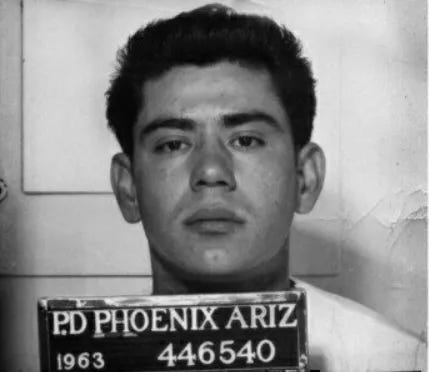
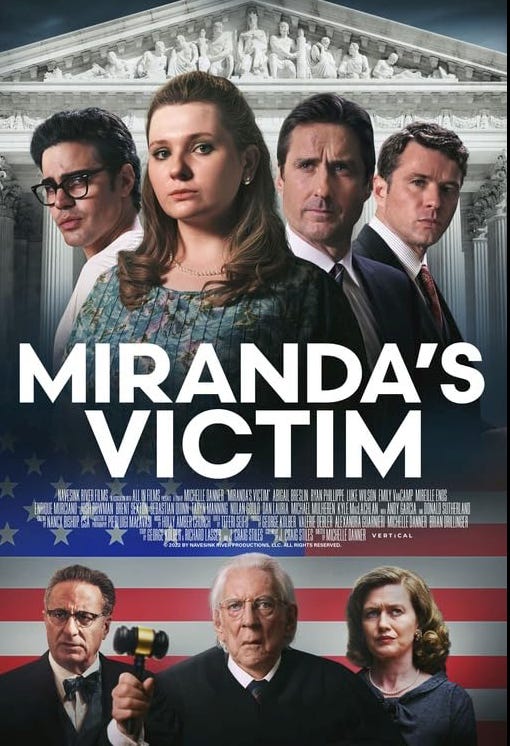
Miranda would be convicted of abducting and raping Trish Weir, who he had grabbed after the 18-year-old got off a bus she took from her job at the concession stand of the Paramount Theater in Phoenix. Miranda, sentenced to 20 to 30 years imprisonment on both charges appealed. The Arizona Supreme Court upheld his conviction but the nation’s highest court agreed to take up the appeal that Miranda’s Fifth Amendment rights had been violated. The U.S. Supreme Court would invalidate the convictions. But when Arizona retried him without his confession as evidence, he was again found guilty of the charges and handed the same sentence.
On this episode of America at 250: Due Diligence, Bill Bernardoni and I examine how the Miranda decision changed police interrogation, why the Supreme Court believed a new safeguard was necessary and whether the Fifth Amendment actually required the rule the Court created.
Richard A. Leo, PhD, JD, who is a professor of law and psychology at the University of San Francisco, takes us through the history of police interrogation — from the physical brutality of the old “third degree” to psychological coercion, false confessions and the modern interrogation room. He explains why the Supreme Court sought a clear rule and why — despite early warnings that Miranda would cripple law enforcement — police departments largely adapted.
Then, Assistant Professor Thomas Hogan of the South Texas College of Law approaches the case from a different constitutional perspective. Before Miranda, courts already excluded involuntary confessions obtained through physical or extreme psychological coercion. Hogan asks whether the Warren Court went beyond the text and original meaning of the Fifth Amendment by creating an additional constitutional rule.
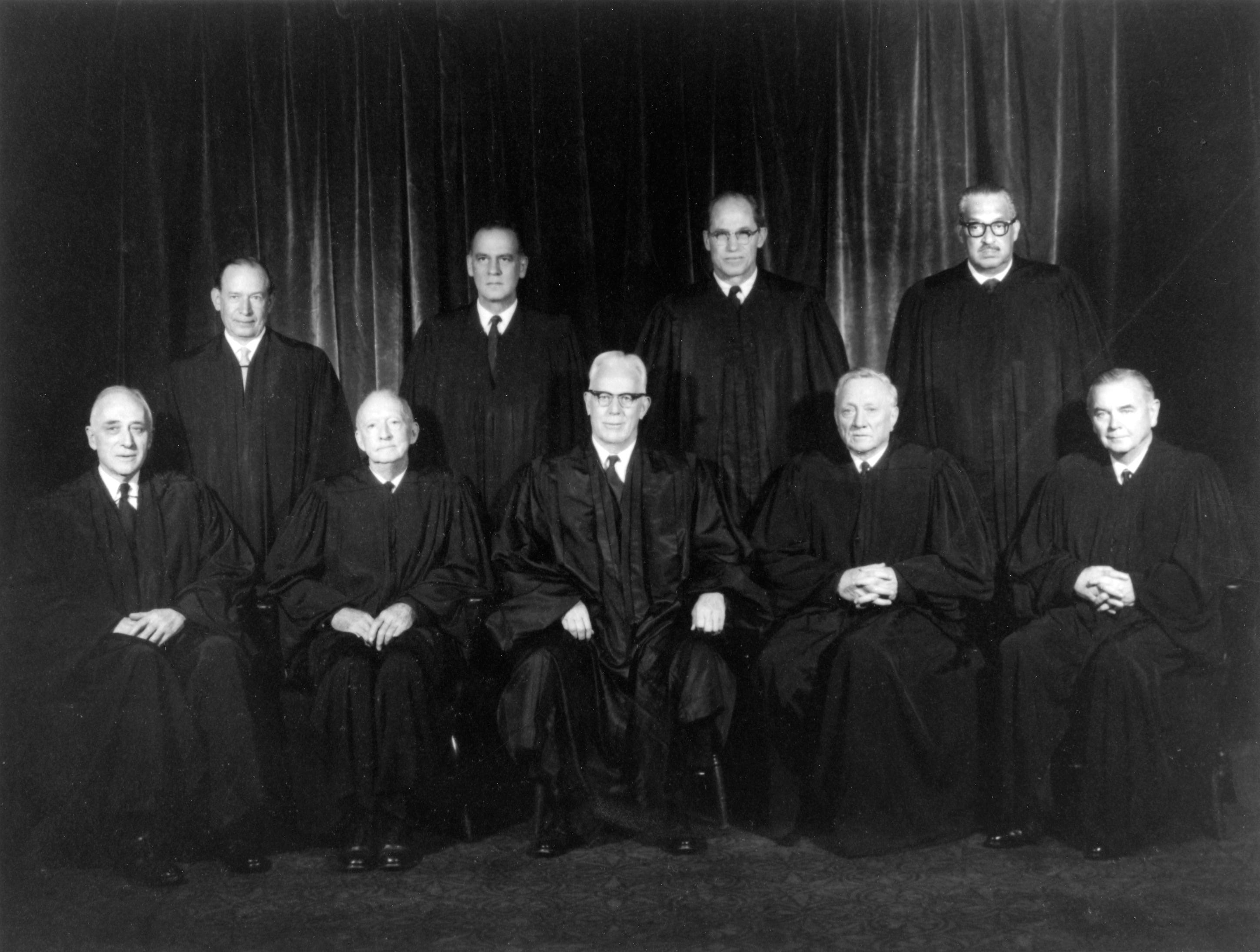
Along the way, we revisit the Supreme Court’s later decision in Dickerson v. United States, the continuing importance of confessions in criminal investigations and the tension between protecting suspects and giving law enforcement the tools to solve serious crimes.
Sixty years later, Miranda remains the law — and part of the American vocabulary. But the deeper question remains: even if Miranda is a good rule, was it the Supreme Court’s rule to make?
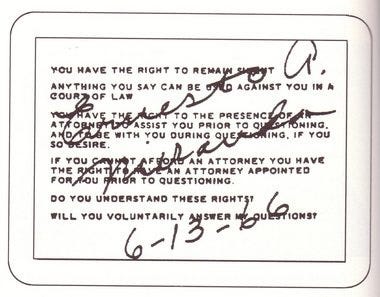
Ernesto Miranda was paroled in 1972. Four years later, at the age of 34, he was fatally stabbed in a fight at the La Amapola Bar in a seedy section of downtown Phoenix where he had gone to play poker and drink. In his pocket were two Miranda cards. Working a series of dead-end jobs, Miranda had been supplementing his meager income by standing near the Maricopa County Court Building and selling signed copies of the cards for $2 each.
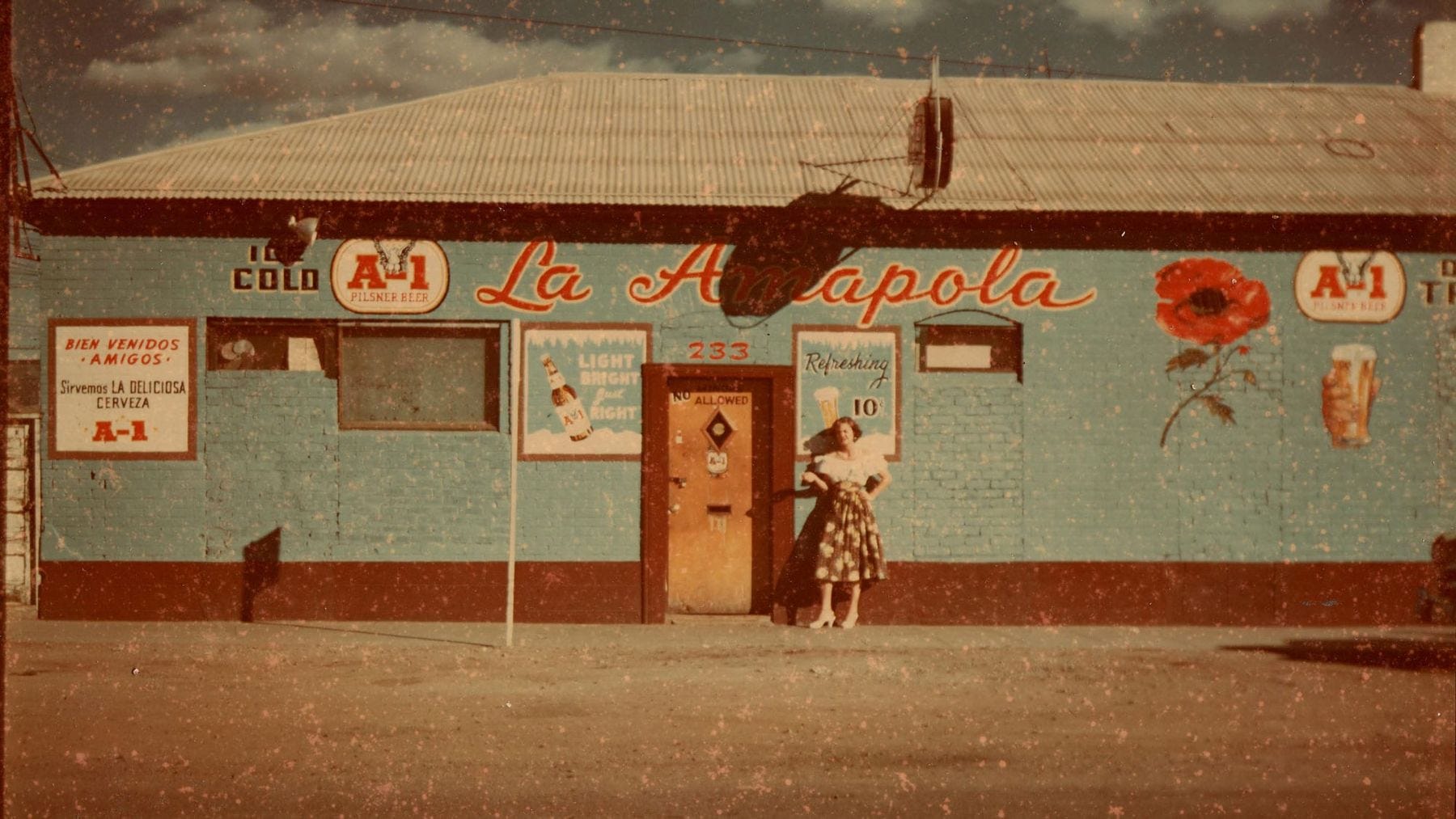
Detectives apprehended a suspect and read Fernando Zamora Rodriguez his Miranda rights. Rodriguez claimed he had done nothing wrong. Due to a lack of incriminating evidence he was not prosecuted for the killing (although he was alleged to have given the knife to the man who stabbed Miranda). Rodriguez was kept in custody as a suspected undocumented foreigner. A day later, a bar worker positively identified a picture of another man as the murderer. Eseziquiel Moreno Pérez had already been briefly questioned and released. By the time police sought to arrest him the Mexican national had slipped over the border and was never apprehended.
America at 250: Due Diligence airs on nearly 90 radio stations in the United States, including WRCT FM 88.3 Pittsburgh (Wednesdays 10am); KVOI AM 1030 Tucson (Sundays 6am); WVOG AM 600 New Orleans (Sundays 9am): KSLM AM 1220/FM 104.3 Salem, Oregon (Saturdays at noon); WMQM AM 1600 Memphis (Thursdays 5pm); WITA AM 1490 Knoxville (Saturdays 1pm); WUMS FM 92.1 Oxford, Mississippi (Sundays 9am) and there are multiple Radio Free America™ transmissions throughout every weekend via WRMI in Florida, the largest commercial shortwave broadcaster in the Western Hemisphere.
Funding for the show comes from civic-minded individual contributors to the Jordan Center of Journalism Advocacy and Innovation and the support of the School of Journalism and New Media at the University of Mississippi. The program is distributed via the Talk Media Network, Public Radio Exchange and the Radio Free America™ project. If you like what we’re doing with the radio show and podcast, we would appreciate your grassroots support by clicking here.